



Authorised Importer of  for Australia / New Zealand
/ Mastering the art of bluffing in poker
The Psychology Behind Bluffing
Bluffing in poker is not merely about pretending to have a better hand; it requires a keen understanding of human psychology. The essence of bluffing lies in the ability to read opponents and gauge their reactions. Every player has a unique style, and recognizing these differences can help you decide when to bluff, especially in high-stakes games like those found at 1win , where the pressure can influence behavior. For example, some players may exhibit physical tells, like fidgeting or avoiding eye contact, while others may remain impassive. By honing your observational skills, you can enhance your bluffing strategy significantly.
Moreover, successful bluffing often hinges on establishing a credible story. This involves not just a poker face, but also the manner in which you bet. If you are playing aggressively and suddenly slow down, or vice versa, you can lead your opponents to believe that your hand might be stronger or weaker than it really is. This psychological manipulation is often what separates experienced players from novices. Understanding when to shift gears in your gameplay can convince others to fold, making bluffing a potent weapon in your poker arsenal.
It is also crucial to understand the mental state of your opponents when considering a bluff. Knowing when they are likely to be vulnerable or overconfident can provide an advantageous edge. For instance, if a player just lost a significant hand, they may be more inclined to make hasty decisions. This could be an opportune moment to execute a bluff. Recognizing emotional cues and applying psychological principles effectively allows you to craft a more comprehensive bluffing strategy that takes advantage of human nature.
When to Bluff: Timing is Everything
The timing of a bluff can significantly influence its effectiveness. A well-timed bluff has the potential to disrupt the game flow, while a poorly timed one can lead to immediate disaster. Seasoned players often suggest that one should only bluff when the pot is sizeable enough to warrant the risk. For instance, if the pot is relatively small, it may not make sense to bluff, as the potential reward does not justify the risk of losing chips. Conversely, if the pot is large and your opponent is hesitant, a bluff can potentially win you a substantial amount.
Another critical aspect of timing is understanding your table image. If you’ve been playing conservatively, a sudden bluff could catch your opponents off guard. On the other hand, if you have been overly aggressive, your table image may cause your bluffs to be called more frequently. Therefore, adaptability is vital; your ability to assess when to go for a bluff based on your recent actions can either make or break your strategy during a game.

Moreover, consider the stage of the game. Early rounds usually see tighter play, providing a less favorable environment for bluffing. However, as the game progresses, players may become more willing to gamble, making mid to late-stage play a more opportune moment for bluffs. Recognizing when your opponents are likely to fold based on the community cards and their own hand potential is crucial for executing successful bluffs. Timing, therefore, is not merely a strategy; it is a skill that can be refined and perfected over time.
Types of Bluffs: Finding Your Style
Mastering the art of bluffing involves understanding various types of bluffs and determining which style suits you best. The ‘pure bluff’ is perhaps the most straightforward: you bet aggressively without a decent hand, relying on your opponents folding to the pressure. This type of bluff can be effective when you have established a solid table image and have confidence in your ability to execute it convincingly. However, it is also high-risk, as calling opponents may leave you with nothing.
Another common strategy is the ‘semi-bluff,’ where you bet with a hand that may not currently be strong but has the potential to improve. For example, if you have a flush draw, betting in such a situation can accomplish two objectives: you may get your opponents to fold, or you could end up making a strong hand on the next card. This duality in strategy makes the semi-bluff particularly appealing, as it allows you to maintain an element of deception while also holding onto potential to win the hand in a later round.
Finally, the ‘stone-cold bluff’ stands out for its audacity. This strategy relies on the notion that your opponents are unlikely to suspect you could possibly bet high without a solid hand. It’s a daring move that can pay off significantly, particularly against less experienced players who may be hesitant to call large bets without a strong hand. Understanding these various types will not only expand your arsenal but will also allow you to adapt your bluffing strategy to fit the dynamics of each game.
The Role of Position in Bluffing
Your position at the poker table plays a crucial role in determining the success of your bluffing strategy. Players sitting in later positions typically have an advantage, as they can observe the actions of others before making their moves. For instance, if you notice that the players before you have checked or bet conservatively, this might be the perfect opportunity to make a move and employ a bluff. Conversely, if you are in an early position, bluffing may be riskier, as there are still many players left to act who could potentially call your bet.
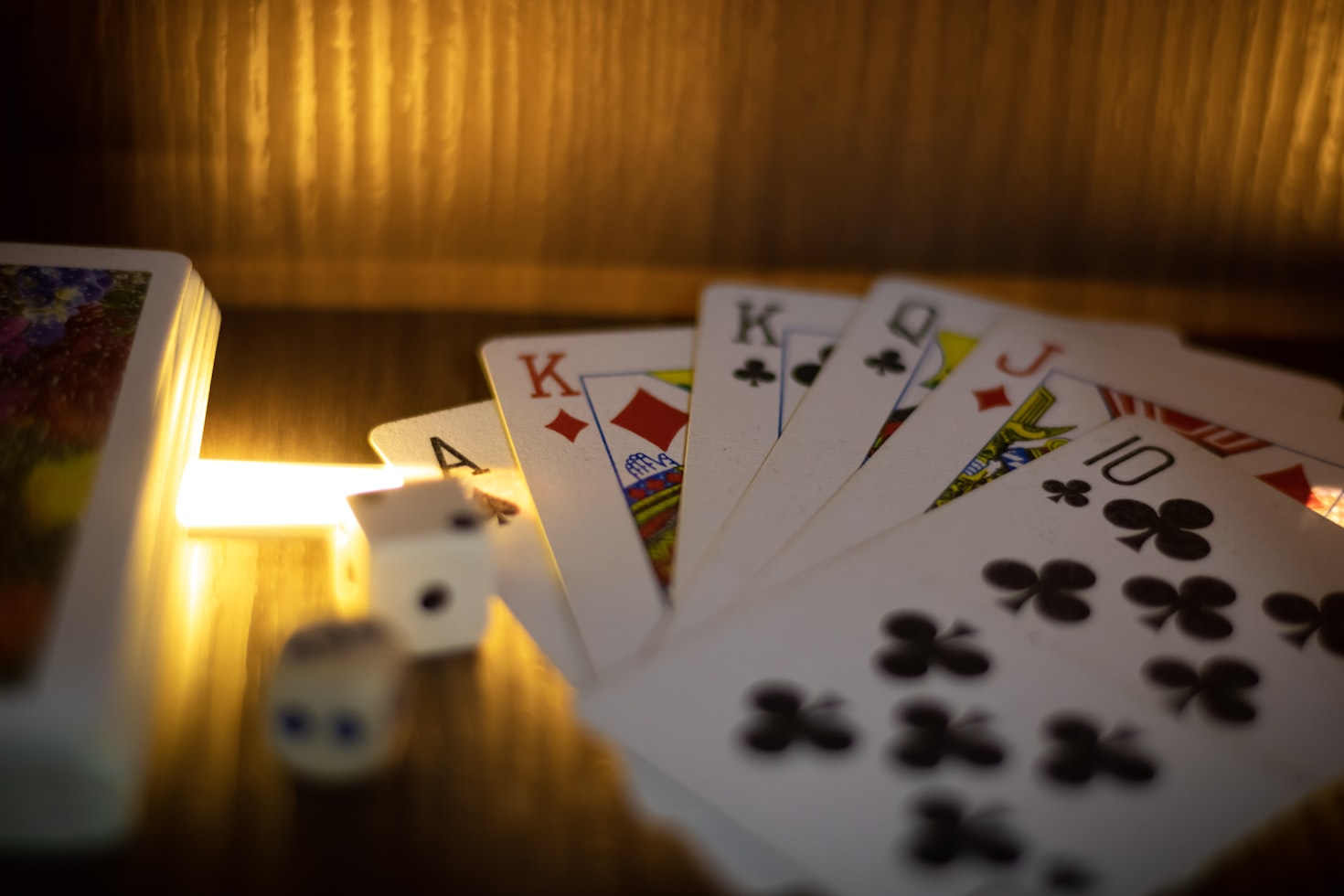
Additionally, understanding how position affects opponents’ play can enhance your bluffing strategy. If you are seated directly to the right of a player who has a tight playing style, they may be more inclined to fold against your bluff, as they would rather conserve their chips than take unnecessary risks. On the other hand, if you are facing a player known for aggressive play, they may not only call your bluff but choose to raise, knowing that you might be attempting a move. Therefore, being attuned to the dynamics of positional play is essential for executing successful bluffs.
Lastly, your ability to manipulate the table dynamics based on your position can make a significant difference. By bluffing more often when in a positional advantage, you can help establish a more aggressive table image, leading your fellow players to respect your raises. This, in turn, increases your credibility as a bluffer, making it easier to convince opponents to fold in future hands. Position-based strategy is a vital element that every aspiring poker player should master to elevate their bluffing game.
Enhancing Your Skills: Practice and Resources
Mastering bluffing requires not just theoretical knowledge but also practical experience. One of the most effective ways to refine your bluffing skills is through regular practice. Playing with friends or engaging in low-stakes games provides a risk-free environment to experiment with various bluffing techniques. Additionally, online poker platforms offer the chance to play against a diverse range of opponents, exposing you to different playing styles and behaviors. This exposure is invaluable for honing your ability to read opponents and adapt your bluffing strategy accordingly.
In addition to practical experience, leveraging educational resources can further enhance your skills. Numerous books and online courses delve into advanced poker strategies, including the art of bluffing. Engaging with instructional videos and forums allows you to gain insights from seasoned players and learn about the subtleties involved in bluffing. Analyzing hand histories and discussing them with fellow players can also provide fresh perspectives and deepen your understanding of successful bluffing techniques.
Finally, self-reflection plays a crucial role in skill enhancement. After each session, take the time to analyze your play, particularly when it comes to bluffing. Ask yourself what worked, what didn’t, and why certain bluffs succeeded or failed. Keeping a poker journal can also serve as a valuable tool for tracking your progress and identifying patterns in your bluffing strategy. Through consistent practice, education, and self-reflection, you can develop a mastery over bluffing that greatly elevates your overall poker game.
/ Tyre Supplier

/ Latest News
-
MRF TYRES JOIN THE CAMS AUSTRALIAN RALLY CHAMPIONSHIP

Photo taken at Autosport International with Arun Mammen MD (left) and Vivek Ponnusamy (right). The CAMS Australian Rally Championship® (ARC) Read More >>
-
MRF Tyres success in state and club rally championships

In their first six months in Australia, MRF rally tyres have already had an impact on the sport, with a Read More >>
-
Gaurav Gill wins International Rally of Whangarei

India’s Gaurav Gill and Australian based co-driver Glenn Macneall have won the 2016 International Rally of Whangarei – completing a Read More >>
-
Team MRF back for another shot at APRC

Team MRF will go in search of their eighth Asia-Pacific Rally Championship (APRC) title when the series gets underway in Read More >>


106/52 Dow Street
Port Melbourne 3207
Victoria, Australia
