



Authorised Importer of  for Australia / New Zealand
/ Cycling Glasses with Photochromic Lenses for UAE Light
Cycling Glasses with Photochromic Lenses for UAE Light
Riding in the UAE means facing intense sunlight at dawn, glare off pale roads at midday, and shifting shade along coastal and desert routes. Cycling glasses with photochromic lenses can help riders adapt without swapping pairs mid-ride. This guide explains how these lenses behave in the Emirates, what to look for in frames and coverage, and how to keep your eyewear performing through the seasons. Whether you ride early before the heat builds or push through evening sessions, understanding your options will make every kilometre more comfortable and safer.
Why UAE Light Demands Smarter Eyewear
Sunlight in the UAE is strong for much of the year, and the light changes quickly as the sun rises and sets. Reflections from roads, sand, and glass buildings can be harsh, especially when the sun sits low. A single fixed tint may feel too dark in the early morning and not dark enough at noon. This is where cycling glasses with photochromic lenses prove useful, since the lens tint adjusts to the brightness around you.
Good eyewear also protects against ultraviolet exposure, which remains high even when clouds drift across the sky. Look for lenses that block the full UV range and for frames that wrap slightly around the eyes to reduce light entering from the sides.
How Photochromic Lenses Respond
Photochromic lenses contain molecules that darken when exposed to ultraviolet light and gradually return to a lighter state when the light fades. In practice, this means a rider can move from a sunny road into a shaded underpass with less visual disruption. Response speed varies between products, and temperature also plays a role. Very high heat can slow the return to a lighter tint, so it helps to test a pair in real conditions before relying on them for long rides.
Many riders prefer photochromic designs because they reduce the need to carry multiple lens sets. Still, they are not a complete replacement for specialised tints in every situation, particularly for night riding.
What to Check Before Buying
- Confirm full UV protection on the product specification.
- Check the light transmission range so the lens remains clear enough in low light.
- Look for anti-fog coatings, since humidity near the coast can cause condensation.
- Choose a frame with ventilation to limit sweat buildup during intense efforts.
- Test the nose pads and temple grip while wearing a helmet.
Fit, Coverage, and Comfort on Desert Roads
Fit matters as much as lens technology. A pair that slips during fast descents or pinches behind the ears will quickly become a distraction. Wraparound styles offer more coverage against wind-blown sand and dust, which are common on routes near the desert edge. Lightweight frames reduce pressure on the nose during long rides, and interchangeable nose pieces can improve stability for different face shapes.
Consider how the glasses sit with your helmet. Some helmet vents or straps can push frames out of position, so try the combination before committing to a longer outing.
Choosing Tints for Morning and Evening Rides
Early rides often start in soft light with a cool breeze, while evening sessions may end in near darkness. Photochromic lenses handle these transitions well, but riders should still note how dark the lens becomes indoors or under streetlights. A clear or lightly tinted option may serve better for the last part of the day, and some riders keep a second pair for after sunset.
If you are planning group rides around the emirates and want to coordinate routes with local happenings, you may enjoy another article I wrote on using an Events Calendar to pick dates that suit your riding schedule and avoid peak heat.
Care, Maintenance, and Practical Tips
Rinse lenses with clean water after dusty rides to prevent grit from scratching the surface. Avoid wiping them dry with a dirty cloth, and store the glasses in a protective case when not in use. Heat inside a parked car can affect coatings and frame materials, so keep them out of direct sunlight when possible.
Replace lenses if you notice clouding, uneven tinting, or a noticeable drop in clarity. Regular checks help you maintain consistent visibility, which is essential for reading road surfaces, spotting traffic, and staying aware of other riders.
For readers who like to compare options carefully before making a decision, my article on judging how a top bookmaker presents its terms offers a similar checklist-style approach that you may find useful.
Ready to find cycling glasses with photochromic lenses that suit your routes? Take time to test fit, review lens specifications, and choose a pair that keeps your vision clear from sunrise to sunset across every UAE ride.
This article is sponsored content.
/ Tyre Supplier

/ Latest News
-
MRF TYRES JOIN THE CAMS AUSTRALIAN RALLY CHAMPIONSHIP
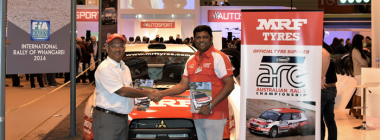
Photo taken at Autosport International with Arun Mammen MD (left) and Vivek Ponnusamy (right). The CAMS Australian Rally Championship® (ARC) Read More >>
-
MRF Tyres success in state and club rally championships

In their first six months in Australia, MRF rally tyres have already had an impact on the sport, with a Read More >>
-
Gaurav Gill wins International Rally of Whangarei

India’s Gaurav Gill and Australian based co-driver Glenn Macneall have won the 2016 International Rally of Whangarei – completing a Read More >>
-
Team MRF back for another shot at APRC

Team MRF will go in search of their eighth Asia-Pacific Rally Championship (APRC) title when the series gets underway in Read More >>


106/52 Dow Street
Port Melbourne 3207
Victoria, Australia
